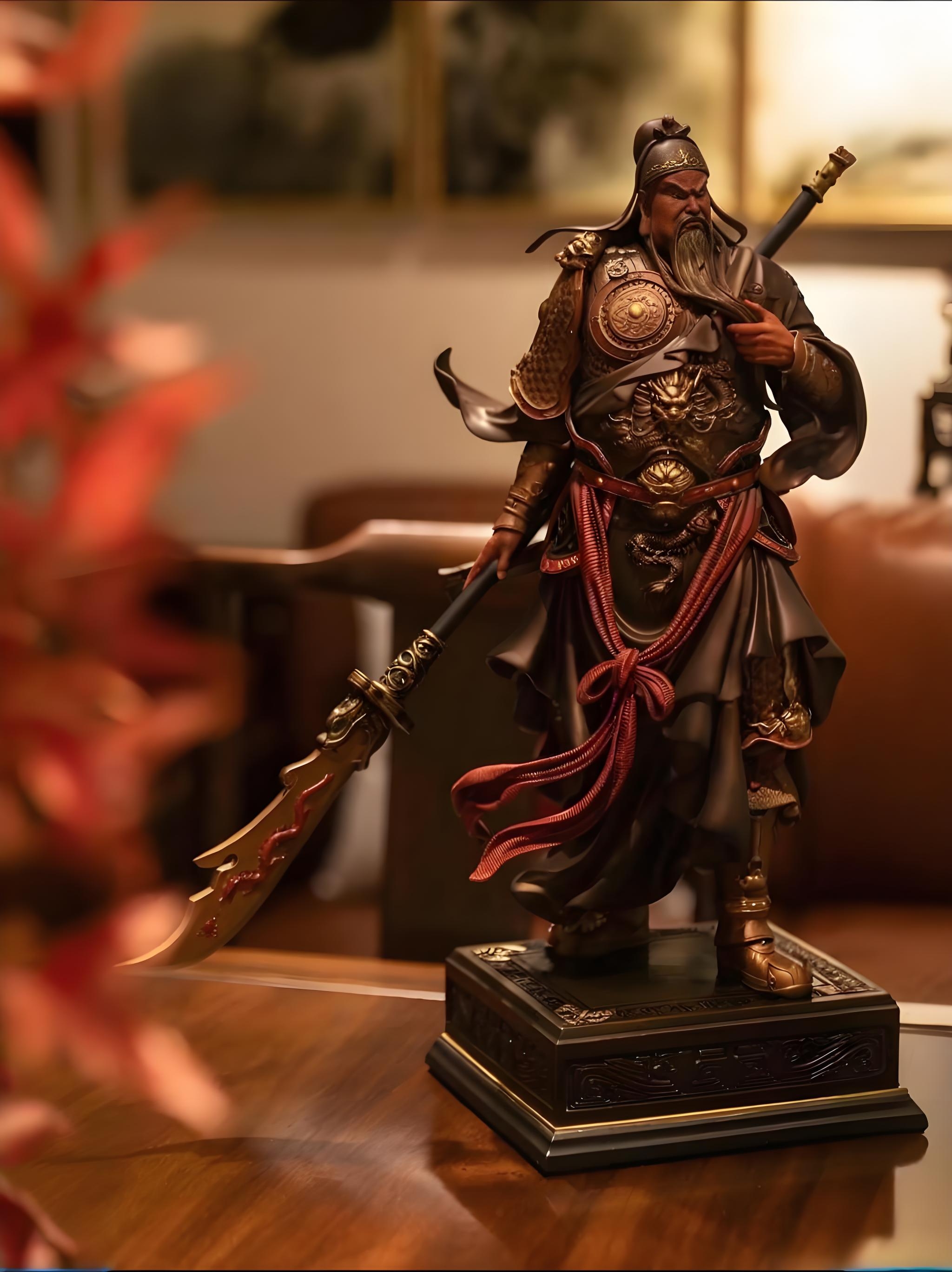
From oracle bone inscriptions to Confucian ethics, from ancestral worship to calligraphy, the core values of Chinese civilization have been passed down through:
Family and clan traditions: Lineage, ancestor worship, and respect for elders
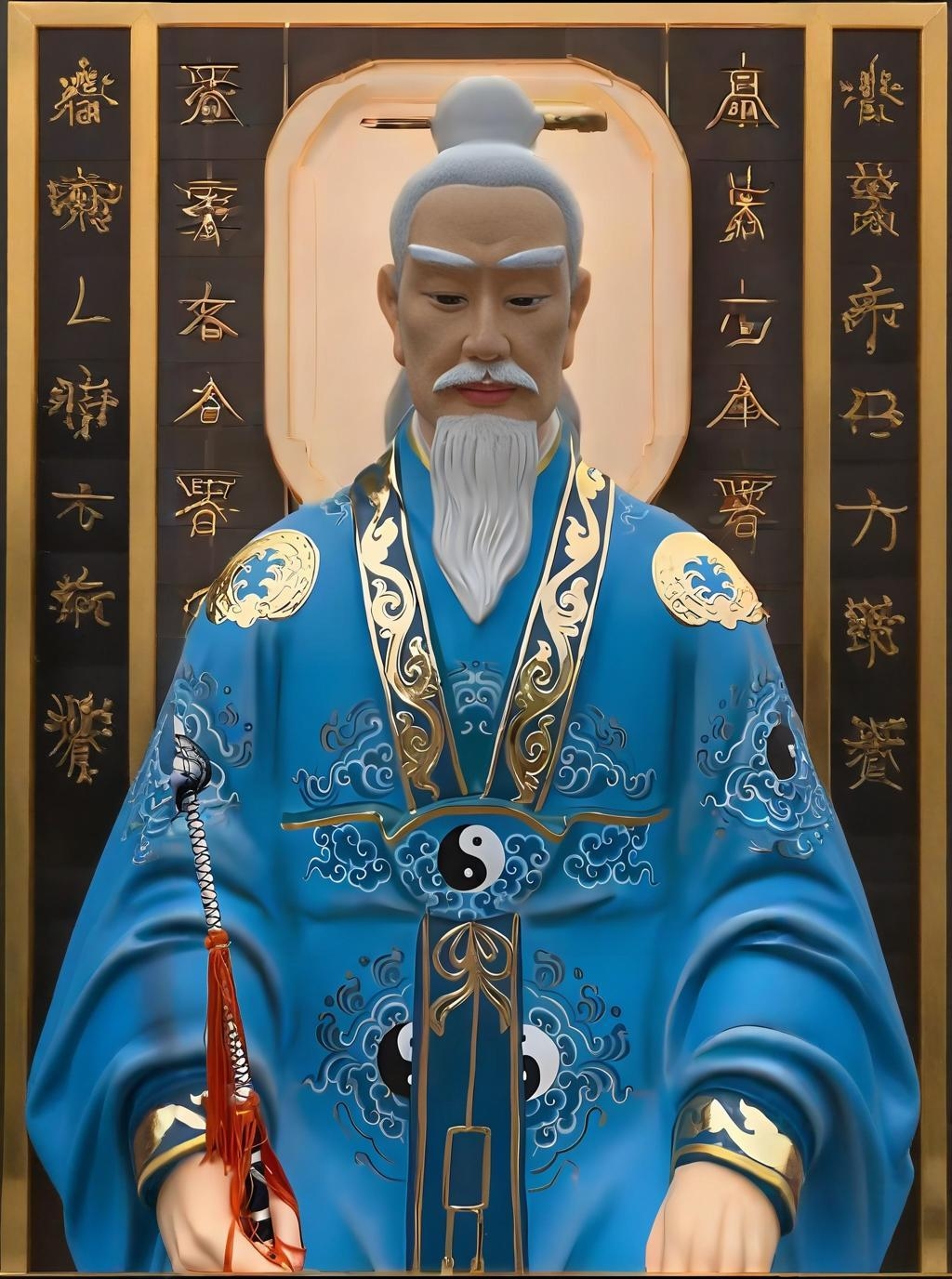
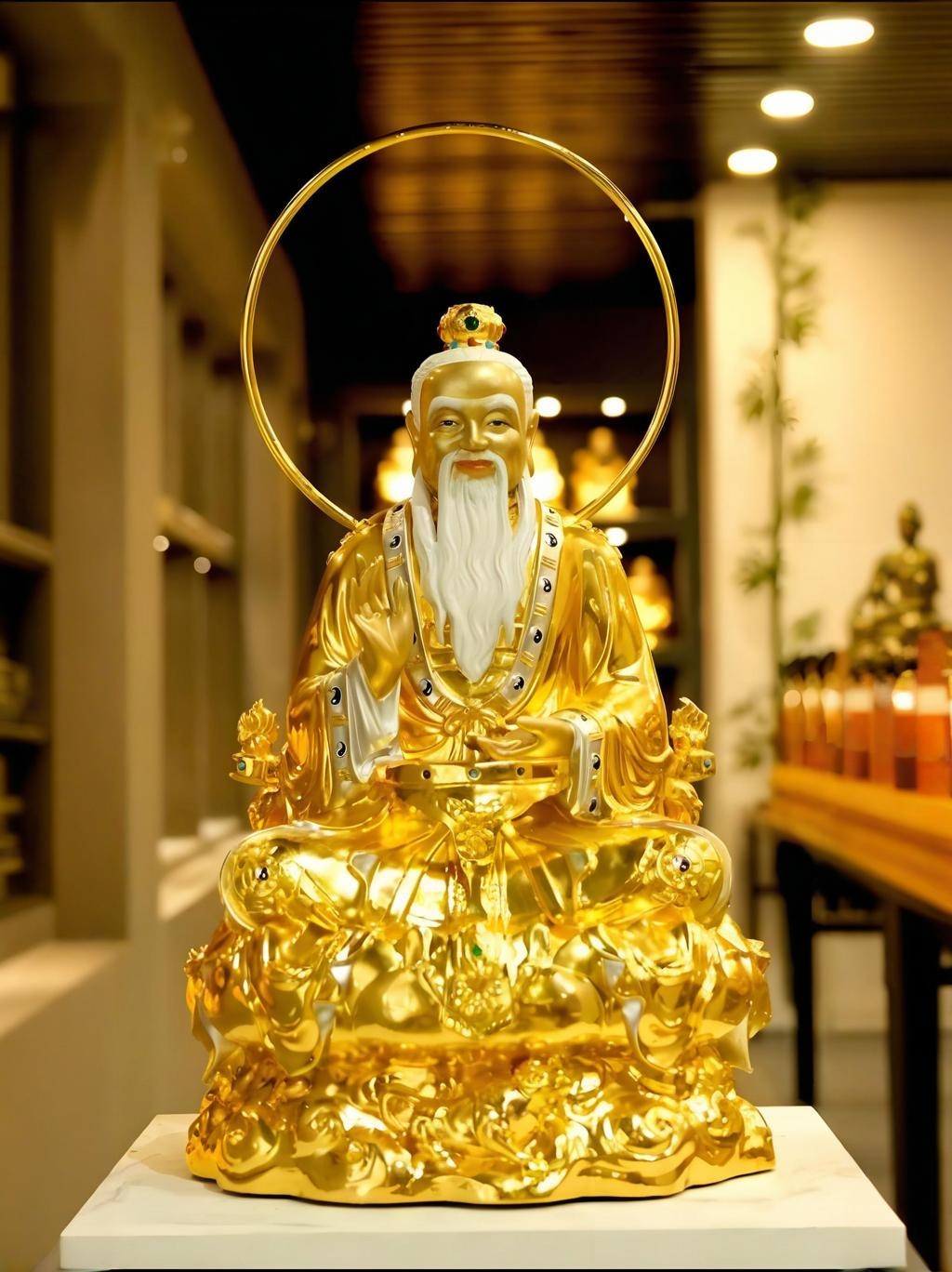
Classical texts and philosophies: Confucianism, Taoism, Buddhism
Language and script: The Chinese written language as a bridge across time
Festivals and rituals: Lunar New Year, Qingming, Mid-Autumn — rituals that continue unbroken
Despite upheavals in history, these traditions endure — not because they remain unchanged, but because they remain relevant.
Chinese civilization has always been open to outside influences:
Buddhism from India merged with Taoism and Confucianism to form uniquely Chinese schools of thought
Nomadic cultures of the north and west shaped dynastic politics and aesthetics (e.g., Tang and Yuan dynasties)
Western science, art, and institutions were gradually absorbed from the 19th century onward
Modern global culture now intersects with Hanfu revivals, Chinese pop, and digital rituals
This ability to digest and sinicize foreign elements ensures that Chinese culture evolves without losing itself.
The essence of Chinese cultural integration lies in the philosophy of:
“和而不同” (hé ér bù tóng) — Harmony without uniformity
This idea encourages:
Cultural tolerance rather than assimilation
Multiplicity under shared values (e.g., family, ritual, respect)
A unique civilizational confidence that resists cultural erasure
Today, Chinese civilization is expressing itself in new forms:
Young people wear Hanfu while using smartphones
Ancestral worship is livestreamed during festivals
Classical poetry appears in viral social media trends
Traditional medicine coexists with modern hospitals
These examples show that inheritance is not repetition — it is reinterpretation.
Like a great river that gathers tributaries while maintaining its course, Chinese civilization flows through history with both continuity and change.
It remembers its roots while welcoming new currents.
It adapts, not abandons.
And in doing so, it lives on — stronger, deeper, and ever more inclusive.