




God of Wealth Festival, no matter how busy you are, remember: 1. Eat, 2. Sweep, 3. Don't close, 4. D
According to the "Jade Box Record", a treasure trove of Chinese folk wisdom, the 22nd day of the seventh lunar month every year is the birthday of the God of Wealth. On this day, people express their admiration and prayers for the God of Wealth through various rituals and activities, hoping to receive his protection and bring wealth and good luck.
So, on the day of the God of Wealth Festival, how should we celebrate and what things should we pay attention to in order to gain the favor of the God of Wealth? Let's explore these traditional customs in advance so that we can better participate and enjoy the joy of the festival.
The origin of the God of Wealth Festival:
In China's long-standing cultural tradition, there are two festivals closely related to the God of Wealth that are passed down among the people. They are the worship of the God of Wealth on the fifth day of the first lunar month and the worship of the God of Wealth on the twenty second day of the seventh lunar month. These two days are both regarded as the God of Wealth Festival, which is an important time for people to express their desire for wealth and good luck.
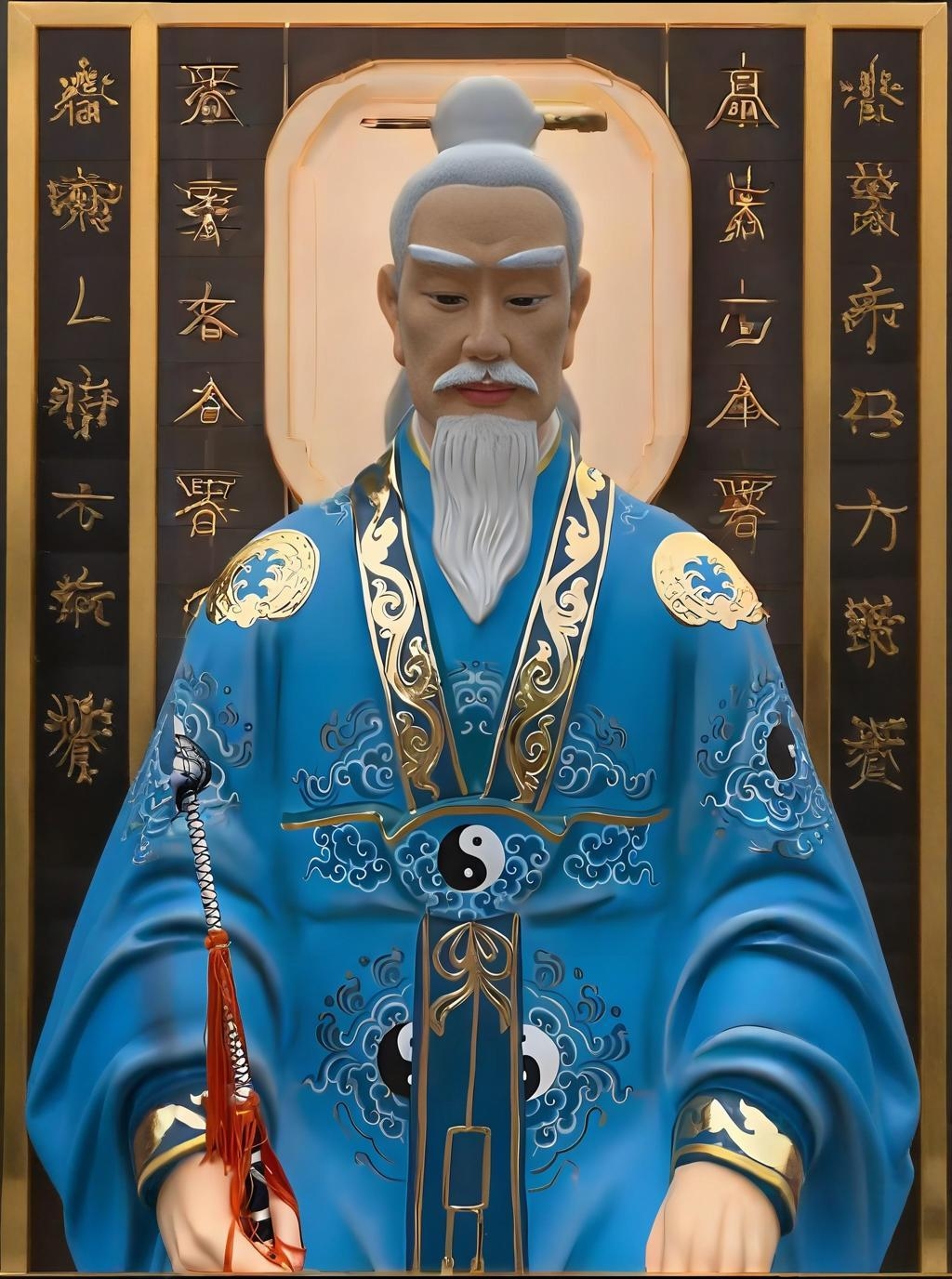
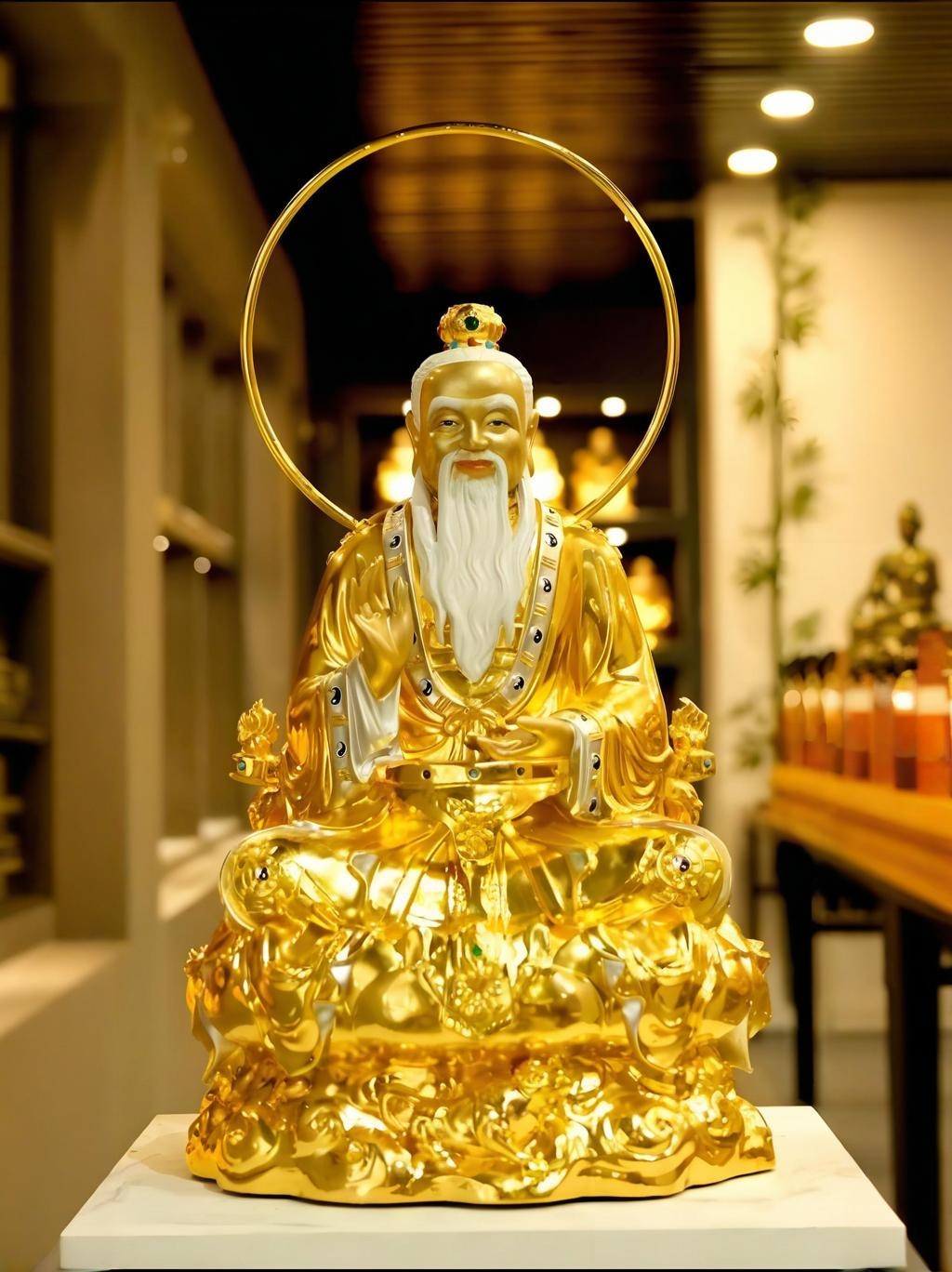
Tomorrow, on the 22nd day of the seventh lunar month, we will celebrate the birthday of Li Qizu, the God of Wealth and the Wealth Star Lord. On this day, people celebrate the birthday of this God of Wealth through various ceremonies and activities, hoping to receive his protection and bring wealth and prosperity to their families and careers.
Who is the Wealth God of Wealth?
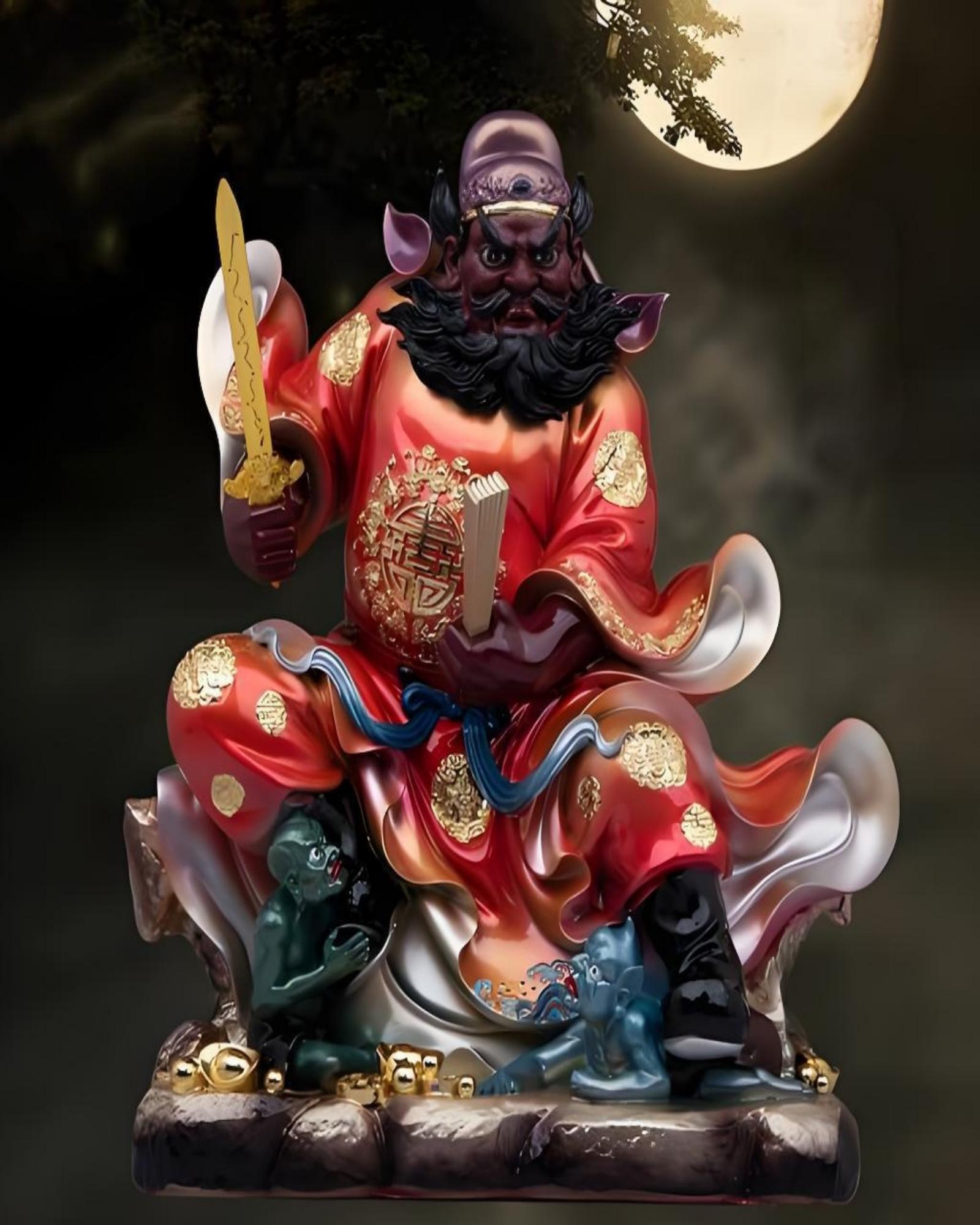
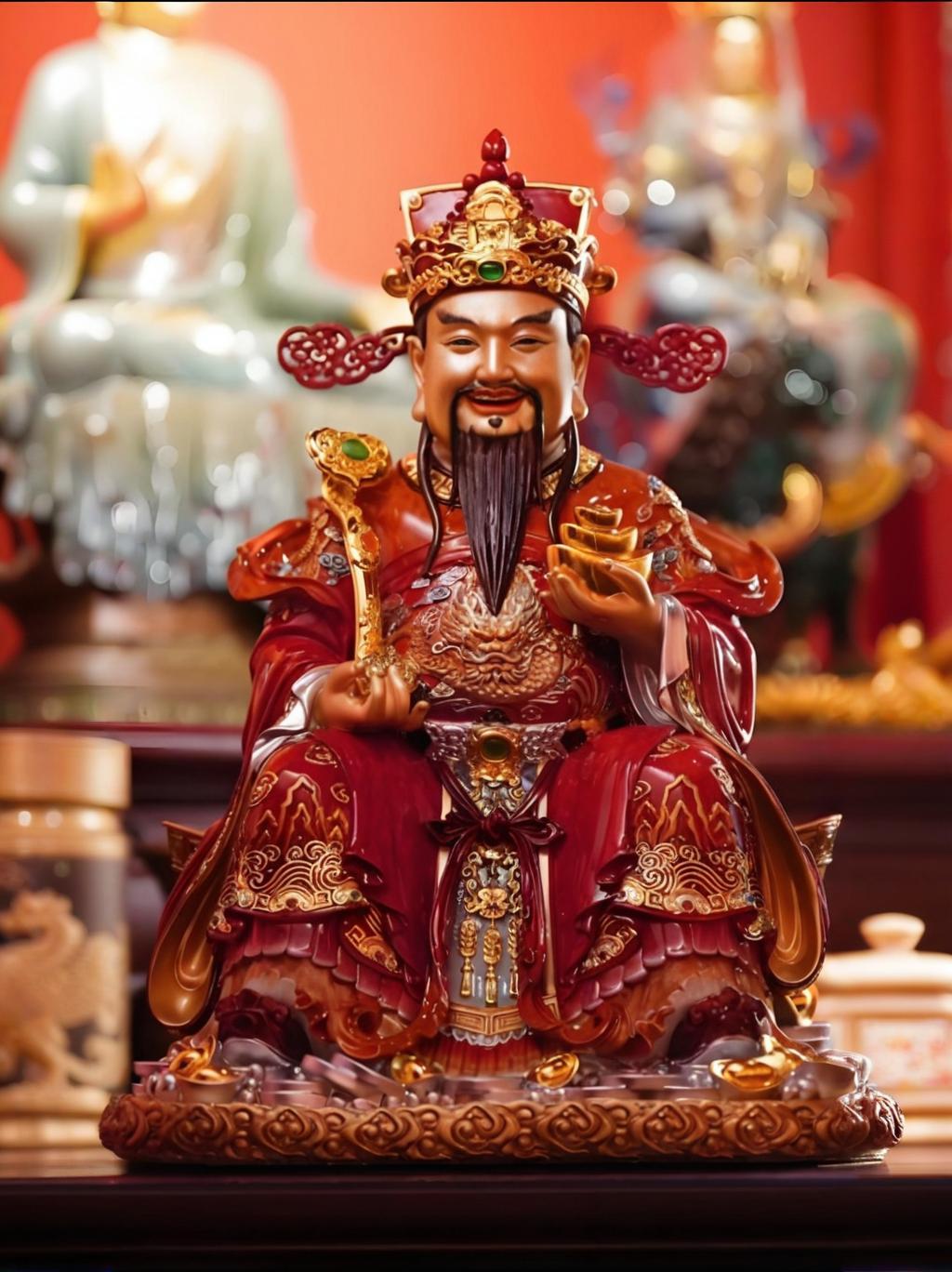
Taoism and folk refer to Li Qizu as the God of Wealth, also known as the God of Literature and the Lord of Wealth and Silk. Li Caizu, the God of Wealth, is very popular among the people, and most of the statues of the God of Wealth in ancient New Year paintings are of him. His paintings are often associated with the three stars of "fortune," "wealth," and "longevity," as well as the god of happiness, which together represent fortune, wealth, longevity, happiness, and prosperity.
Li Guizu, the God of Wealth, is highly respected for his elegant demeanor and symbolic image. His image is always adorned with luxurious attire, surrounded by jade ribbons, wearing a ceremonial crown symbolizing nobility, dressed in a bright red robe, with a fair complexion, flowing long hair, and a warm smile, giving people a sense of familiarity and warmth.
Li Guizu, the God of Wealth, often holds the auspicious symbol of "Ruyi" and the wealth symbol of "Yuanbao" or "Jubao Basin" in his hands, with the four characters "attract wealth and accumulate wealth" engraved on it, symbolizing the continuous influx and accumulation of wealth. Behind him, two boys hold sun and moon screens, shielding him from wind and rain, symbolizing his protection and blessing.

On the day of the God of Wealth Festival, there are many colorful traditional customs passed down among the people, such as setting off firecrackers, hanging lanterns, eating reunion dinner, and cleaning up. They are not only celebrations, but also a wish for a better future life. However, the 2024 God of Wealth Festival has some special features. According to the calculation of the twelve auspicious signs, tomorrow is the "day of separation" and occupies a place in the small ecliptic. However, at the same time, it is also the day of departure, reminding people to act more cautiously on this day.
Old people often say that no matter how busy they are, on the day of the God of Wealth Festival tomorrow, they should remember: 1. Eat, 2. Sweep, 3. Don't close, 4. Don't say anything, and welcome the God of Wealth with a sincere attitude.
1. To eat: eat dumplings
In China's rich food culture, dumplings, with their unique status, not only make people salivate, but also carry profound cultural meanings and good wishes for the future. Dumplings resemble ancient ingots, making them a symbol of wealth and auspiciousness. Especially on the day of the God of Wealth Festival, eating dumplings is given special significance.
On the day of celebrating the birthday of the God of Wealth, the choice of dumpling filling is also full of auspiciousness and wisdom. Leeks, celery, and cabbage, these common vegetables, have been given special meanings due to their homophonic auspicious words related to wealth - "long-lasting wealth", "diligent wealth", and "hundred wealth", making them the preferred choice for making dumpling fillings.
The whole family sits together, making dumplings with their hands, whether steaming or boiling, exuding an atmosphere of happiness and joy. In the eyes of the older generation, this process is not only a warm moment of family reunion, but also symbolizes the gathering of wealth and happiness. Every dumpling is wrapped with beautiful expectations for the future and heartfelt blessings for family.
Dumplings on the God of Wealth Festival are not just a food, but also a cultural heritage and a pursuit of a better life. When a family sits around the dining table, sharing this dumpling feast full of love and blessings, it not only deepens the emotional bond between family members, but also jointly prays for the prosperity, happiness and health of every family in the new year.
2 to sweep: thorough cleaning
The ancient wisdom often says, 'Wealth does not enter the dirty door, and blessings do not nourish the turbid people.'. This proverb conveys a profound truth: wealth and fortune always favor those who live in an orderly environment and have noble personal character. The ancients regarded this as a standard, not only as a code of conduct in daily life, but also as a manifestation of life philosophy.
In the eyes of ancient people, wealth was a symbol of diligence and integrity, and a reward from heaven for people's virtues. A chaotic living environment is clearly incompatible with a constant source of wealth. A clean and tidy home not only brings joy, but also inspires our love for life and passion for work. This positive attitude towards life naturally attracts more opportunities and wealth.
Let us express our respect for traditional values and pursuit of a better life through practical actions on the day of the God of Wealth Festival. May everyone's home be blessed by the God of Wealth, and may diligence and wisdom lead us towards a more prosperous and happy life.
3. Do not close: Do not close doors and windows
There is an old saying in China: "On July 22nd, open the door to welcome the God of Wealth. On the day of the God of Wealth Festival, every household follows a long-standing custom of opening their doors to welcome the arrival of the God of Wealth.
On the morning of the God of Wealth Festival, as soon as the sky brightens, people no longer crave warm bedding, but wake up early, open doors and windows, and let fresh air and auspicious atmosphere fill their homes. The older generation often says that if the doors and windows are tightly closed on this day, the God of Wealth will mistakenly believe that his family is not ready to welcome wealth and fortune, and naturally will not leave good luck behind.
The God of Wealth Festival is a day filled with joy and auspiciousness, reminding us to pay extra attention to our words and actions on this day. Avoid saying words with negative emotions such as "it's bad", "it's over", and any sighs that may have a pessimistic tone.
This traditional custom is not simply superstition, it has profound psychological principles behind it. Have you heard of the 'Law of Attraction'? This is a psychological effect, and its core concept is that 'the environment is created by the mind', that is, our mentality and thoughts can influence our reality.
When our hearts are filled with negative energy, we unconsciously attract more negative things. On the contrary, if we maintain a positive and optimistic attitude, we will attract positive energy and opportunities. For example, if we always complain about our poverty, this negative self talk will affect our mentality, which in turn will affect our real life.
On the day of the God of Wealth Festival, let us welcome the God of Wealth with positive words and attitudes, and decorate our lives with optimism and hope. Let us believe that through our positive thinking and actions, we can create a more prosperous and happy future.
In this world, wealth is the goal pursued by many people, but the key lies in how to obtain it in the right way and use it reasonably. The wisdom in the Tao Te Ching tells us: "Holding and gaining is not as good as oneself. Carrying and sharpening is not something that can be kept for a long time. A house full of gold and jade cannot be guarded; wealth and arrogance leave their own blame." This passage reminds us that in the process of pursuing wealth, we should know when to be satisfied, avoid greed and insatiable greed, and not use improper means to increase wealth.
That's all for the traditional customs of the God of Wealth Festival. No matter how busy you are this year, remember: 1. Eat, 2. Sweep, 3. Don't close, 4. Don't say.


