


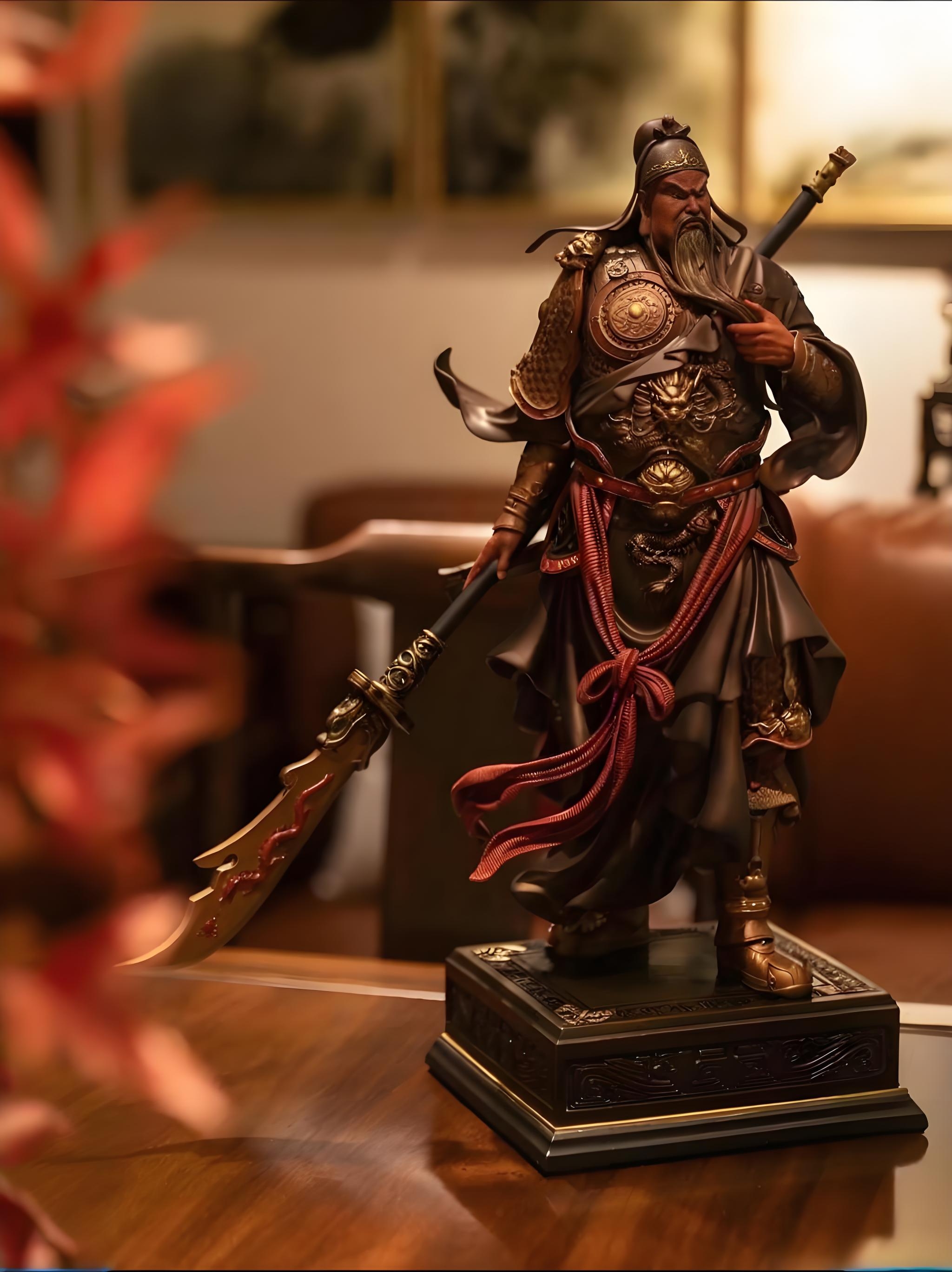

Mazu: Goddess of the Sea, Guardian Deity of the Global Chinese Community, and Symbol of Prosperity
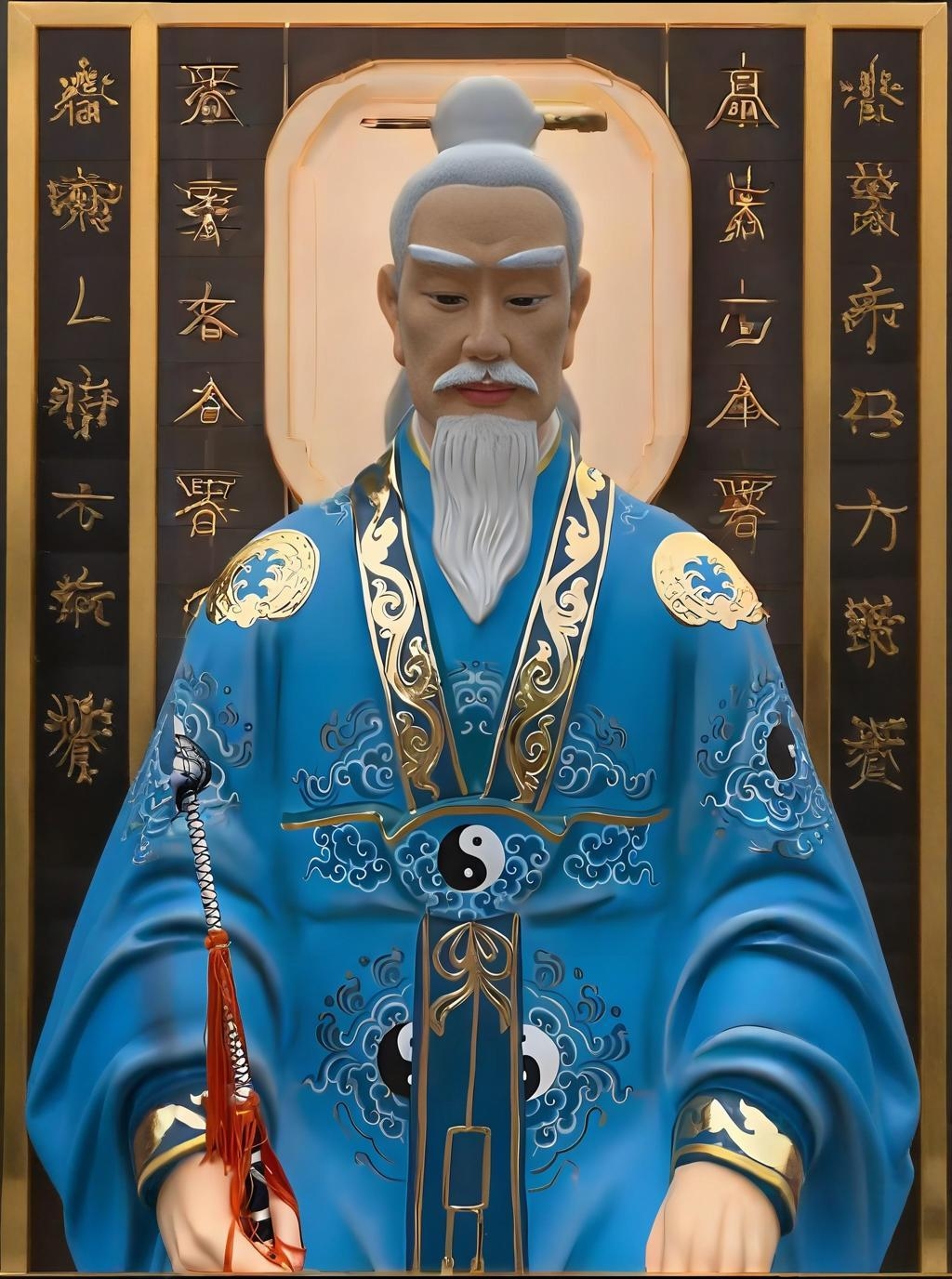
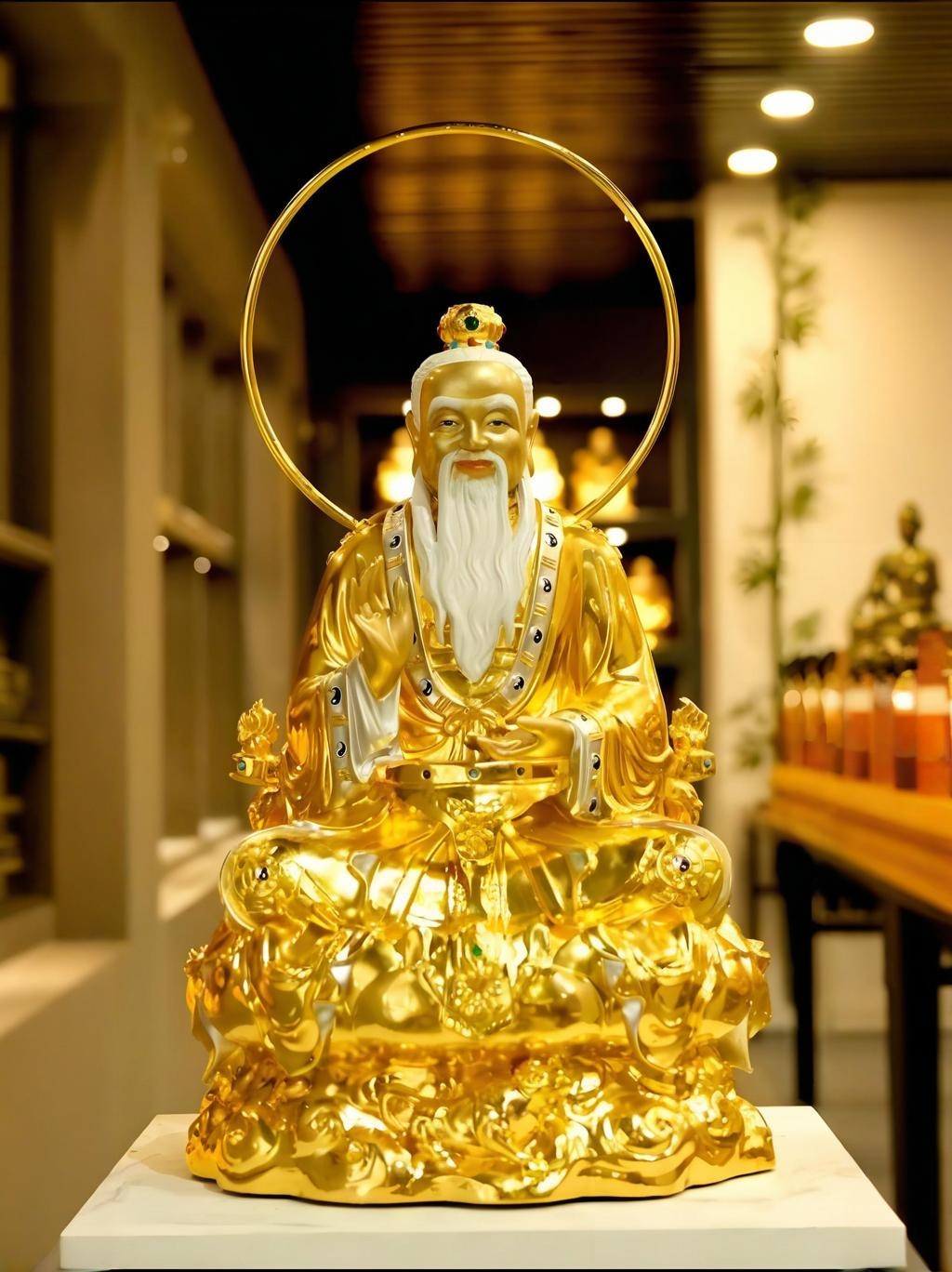
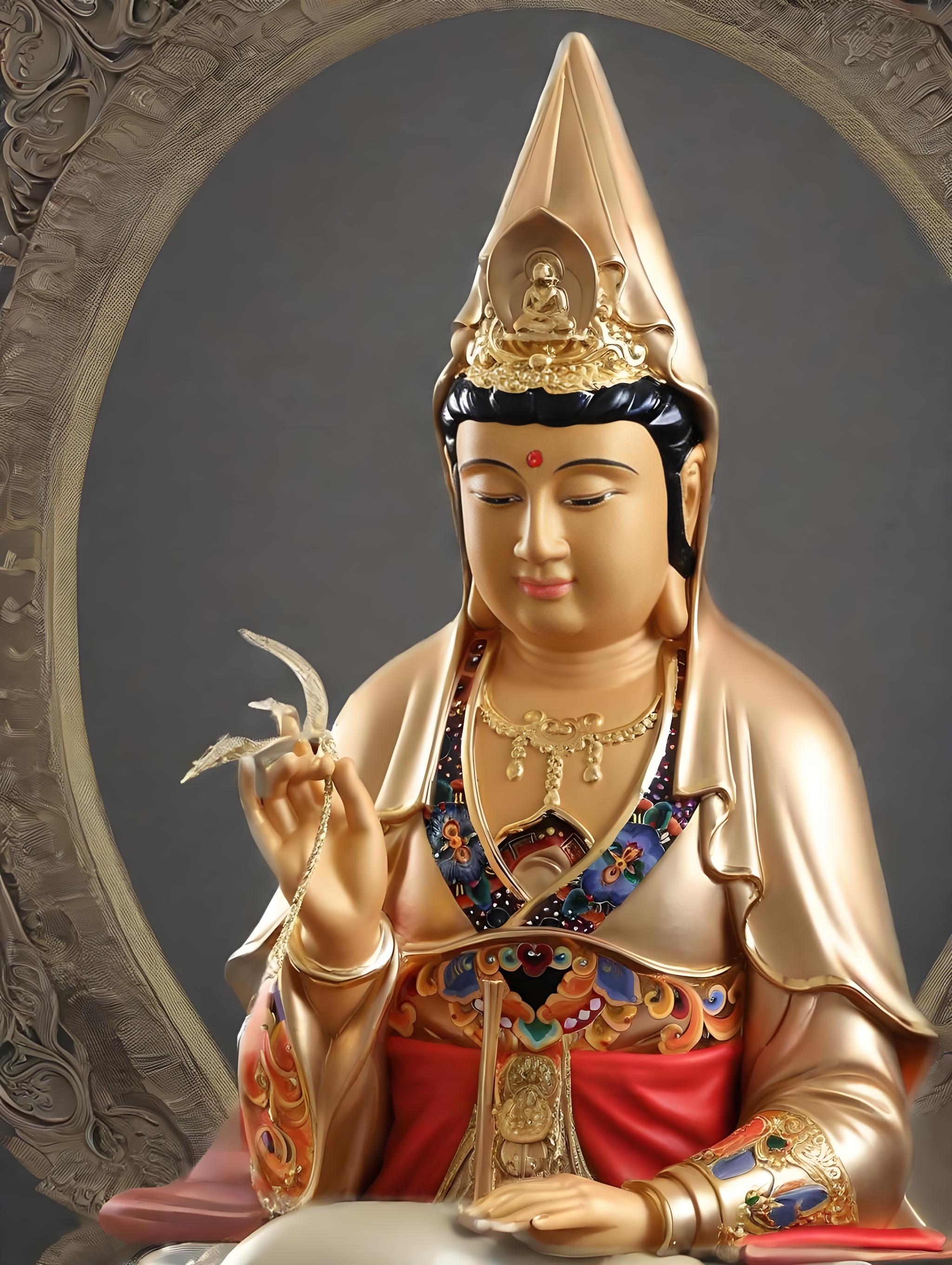
Mazu (Goddess of the Sea), originally named Lin Mo, was born on Meizhou Island in Putian, Fujian Province during the Northern Song Dynasty. She is China's most influential sea guardian deity, revered as "Heavenly Empress" (Tianhou) and "Holy Mother in Heaven" (Tianshang Shengmu征). For over a thousand years, the Mazu faith has spread from China's southeastern coast to over 50 countries and regions worldwide, amassing 300 million followers. It has become a spiritual bond for the global Chinese community.

Mazu's Protective Powers
-
Safe Voyages: Renowned for rescuing people from maritime disasters, Mazu received 36 imperial commendations throughout Chinese history. She symbolizes favorable weather, safe journeys, and travel protection.
-
Commercial Prosperity: Admiral Zheng He worshipped Mazu as his protective deity during his Ming Dynasty voyages to the Western Oceans. Merchant ships enshrined Mazu to pray for smooth trade, earning her the title "Goddess of the Maritime Silk Road."
-
Family Harmony: The spirit of Mazu advocates "Cultivating Virtue, Performing Good Deeds, and Universal Love." Followers pray to her for health, marital happiness, and academic success.
Mazu Culture and Modern Blessings
The Mazu belief and customs are inscribed on the UNESCO Intangible Cultural Heritage list. Its symbols (such as protective talismans, Bagua mirrors, and Mazu statues) have become auspicious items blending tradition with modernity. In cross-border e-commerce, Mazu culture has spawned various blessing products:
-
"Customs Clearance Talisman": Aids smooth customs clearance for international trade (A hot-seller among overseas Chinese in Brazil).
-
"Protective Talisman": Guards against disasters, suitable for travel or home display.
-
"Wealth Incense Burner": Symbolizes attracting wealth and treasure, ideal for shops and businesses.
Why Choose Mazu-Themed Products?
-
Cultural Resonance: Globally recognized by the Chinese diaspora, especially favored by overseas Chinese communities in Southeast Asia, Europe, and the Americas.
-
Auspicious Symbolism: Incorporates principles of Feng Shui to enhance fortune and dispel negative energy.
-
Collectible Value: Mazu cultural and creative products (e.g., ceramics, embroidery) combine artistic merit with spiritual significance.


