Chinese civilization has flourished for over five millennia, sustained not only by territory, bloodlines, or governance but more importantly by an enduring spiritual lifeline known as the Dao system. The concept of “Dao” goes far beyond abstract philosophy or religious thought—it is a guiding force behind China’s ethical values, social structure, and historical continuity. In this article, we explore what the Dao system truly represents, how it has been passed down through generations, the challenges it faces in the modern world, and how it can be revitalized and shared globally.

In Chinese tradition, the term “Dao” refers to the “Way” or the ultimate truth governing nature, society, and human conduct. The Dao system is thus the framework of core values, moral codes, and cultural wisdom that forms the foundation of Chinese civilization. It is not bound by any one dynasty or political regime, but instead represents an ongoing lineage of thought and practice.
Unlike political authority (政统), which rises and falls with dynasties, the Dao system is continuous and timeless. It encompasses the teachings of the Three Schools: Confucianism, Taoism, and Buddhism—each contributing uniquely to the Chinese worldview. Confucianism establishes the ethical and social order; Taoism emphasizes harmony with nature and personal introspection; and Buddhism explores the nature of suffering and spiritual liberation. Over centuries, these philosophies have interwoven to create a balanced and inclusive intellectual ecosystem.
This system is not merely theoretical. It has been deeply embedded in Chinese daily life, from rituals and festivals to family relationships and governance. The Dao system offers a holistic guide to life—covering self-cultivation, family harmony, social responsibility, and cosmic balance.
What makes the Dao system remarkable is its rich and resilient transmission mechanism, which spans literature, education, ceremonies, and lived experience.
Firstly, there is the literary canon. From the Analects of Confucius to the Tao Te Ching, from the Book of Rites to Buddhist sutras, a vast corpus of texts has been compiled, interpreted, and passed down through generations. These works shaped imperial examinations, educational institutions, and elite scholarship, ensuring that core ideas remained alive in the intellectual bloodstream of Chinese society.
Beyond books, the Dao system was lived through rituals and customs. Ancestral worship during traditional festivals, formal marriage and funeral rites, and temple ceremonies all reflected Daoist, Confucian, or Buddhist principles. In families, values like filial piety, loyalty, and humility were passed down orally and through example, creating a “living Dao” in every household.
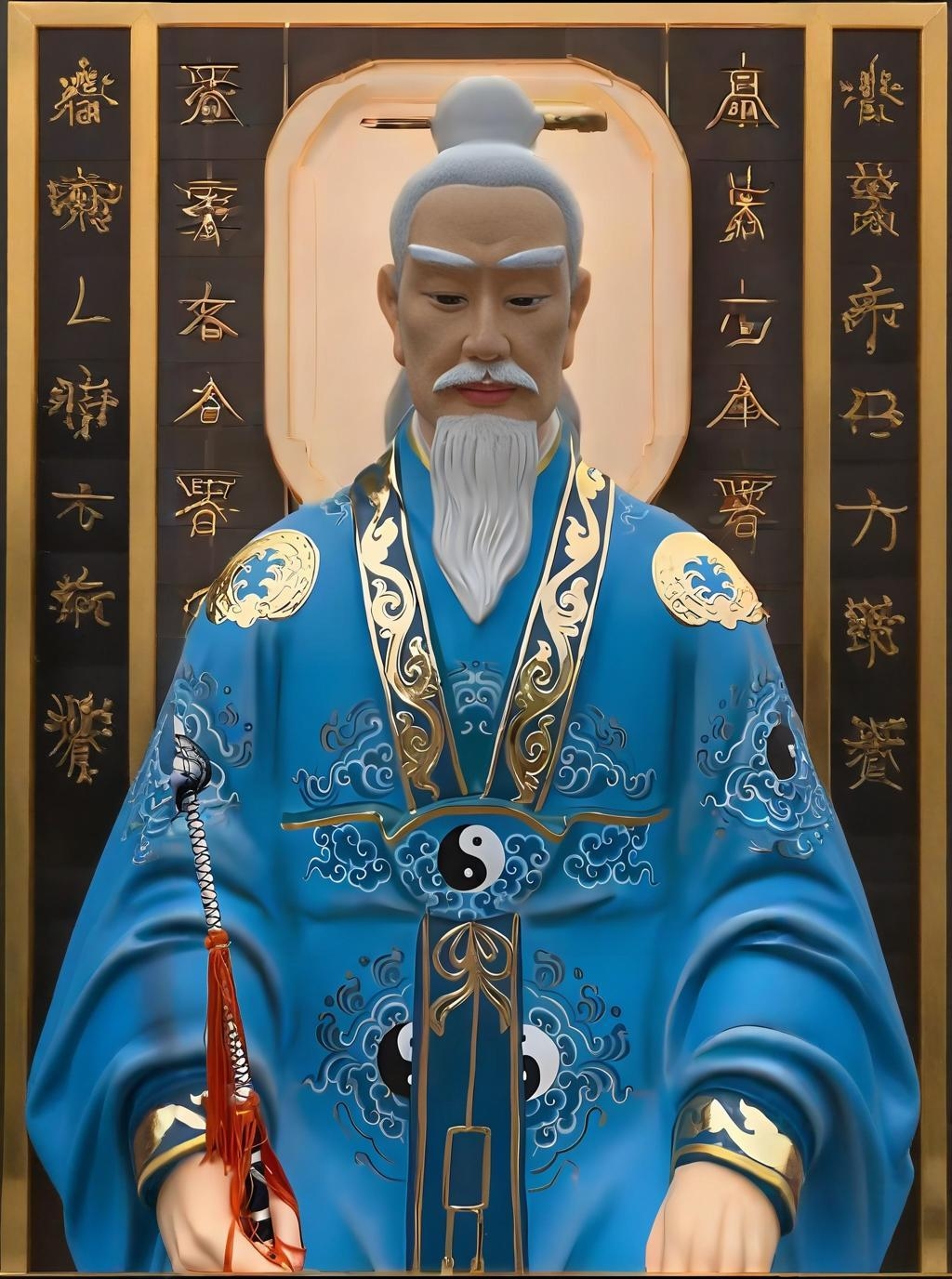
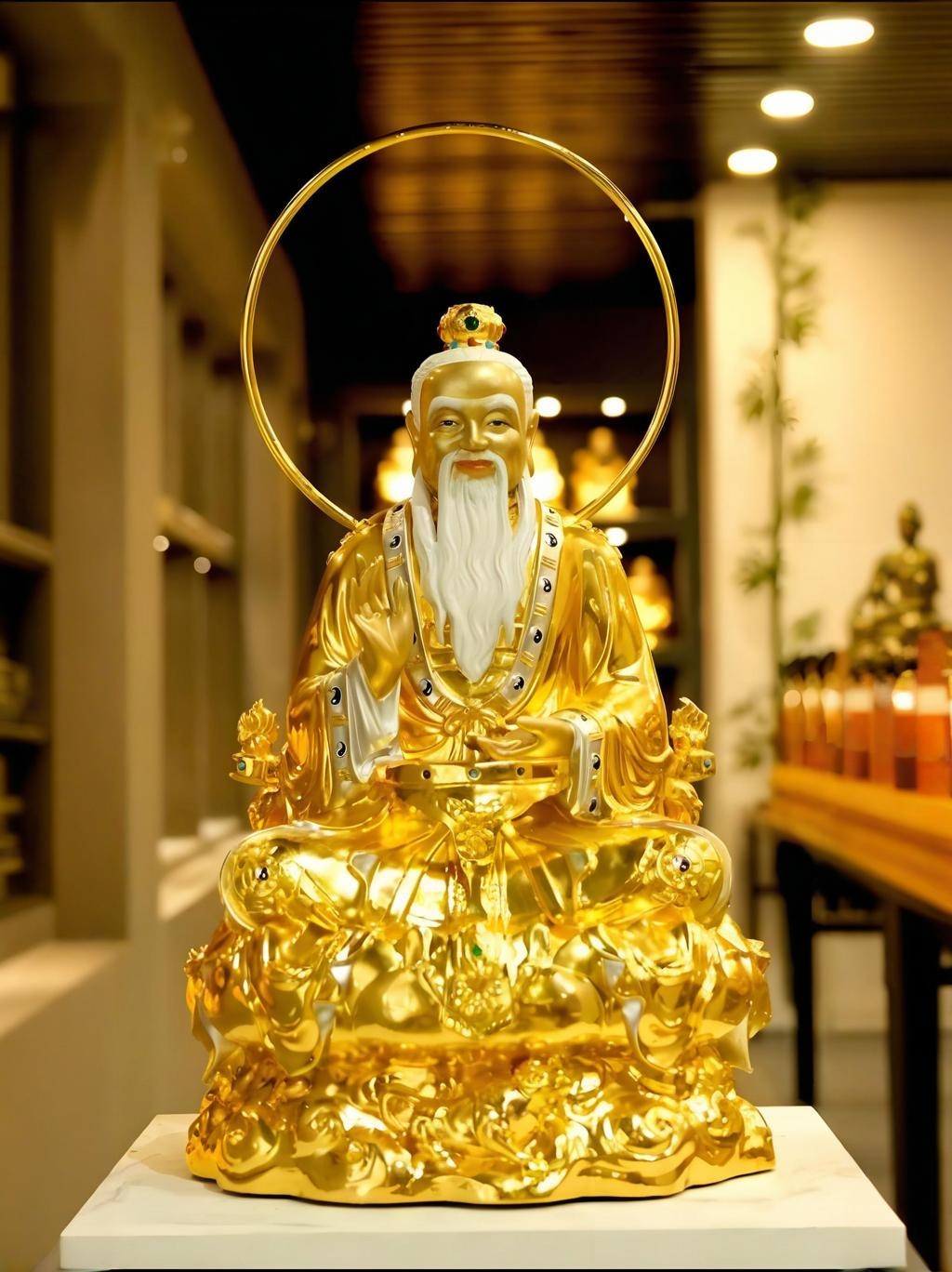
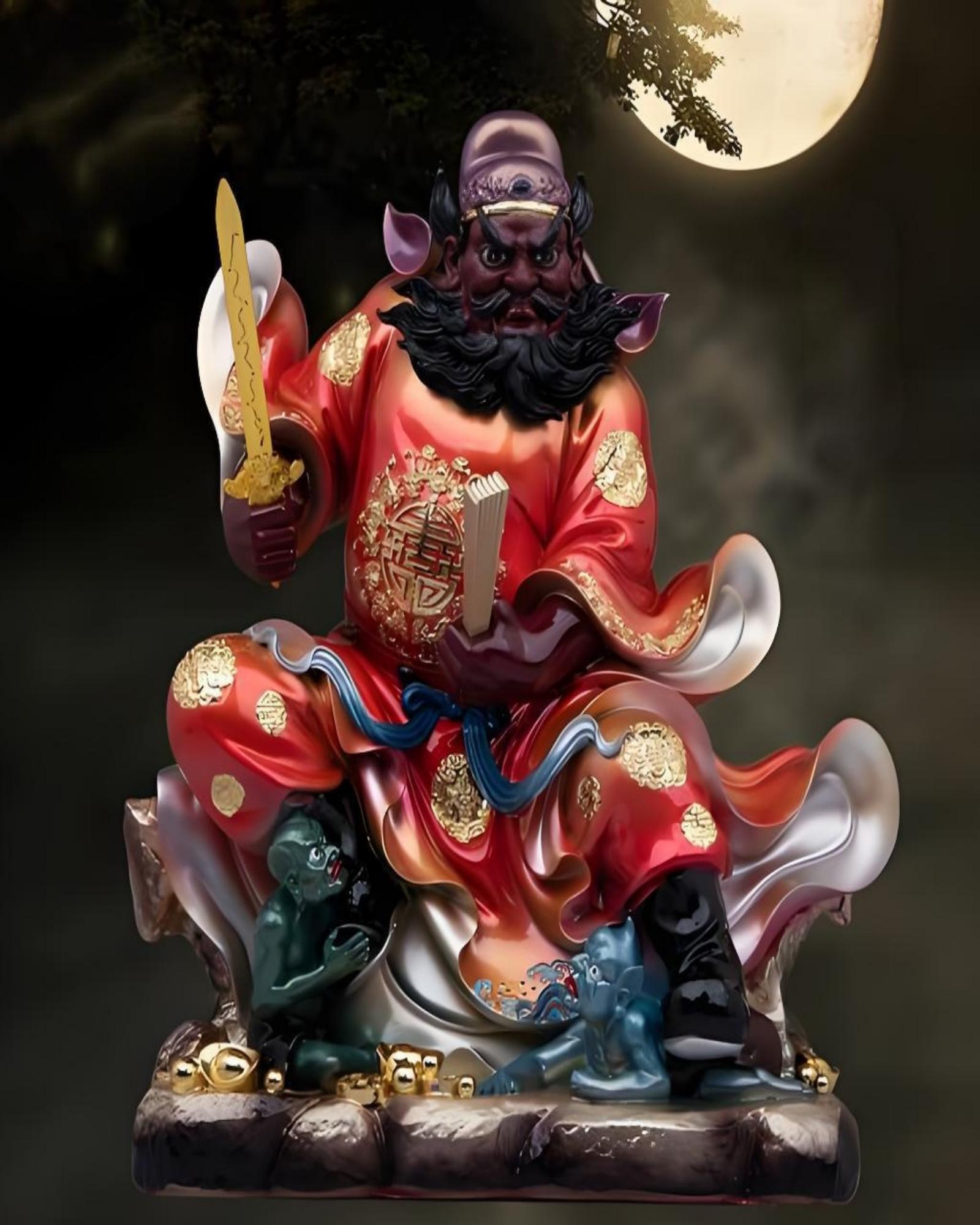
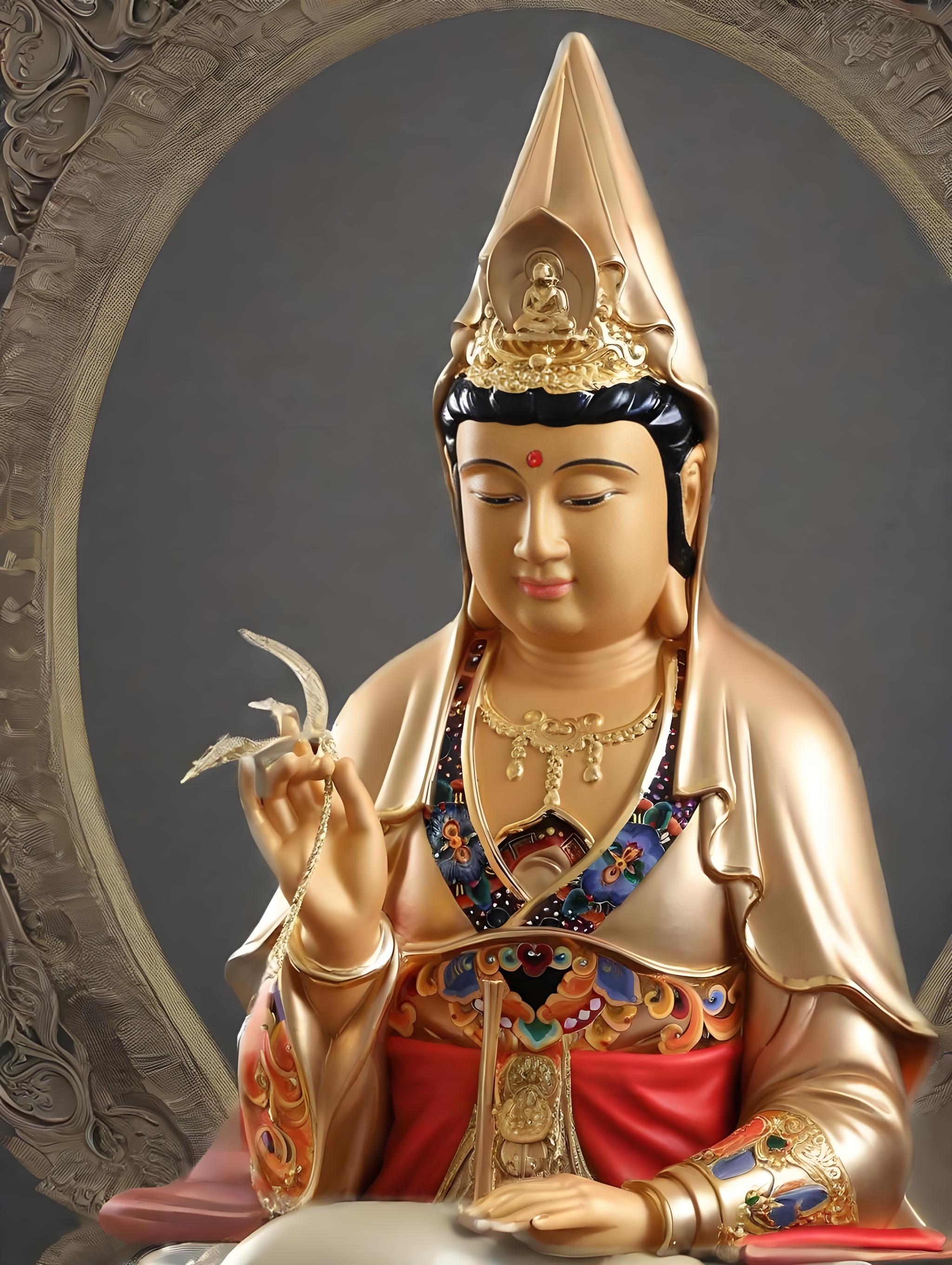
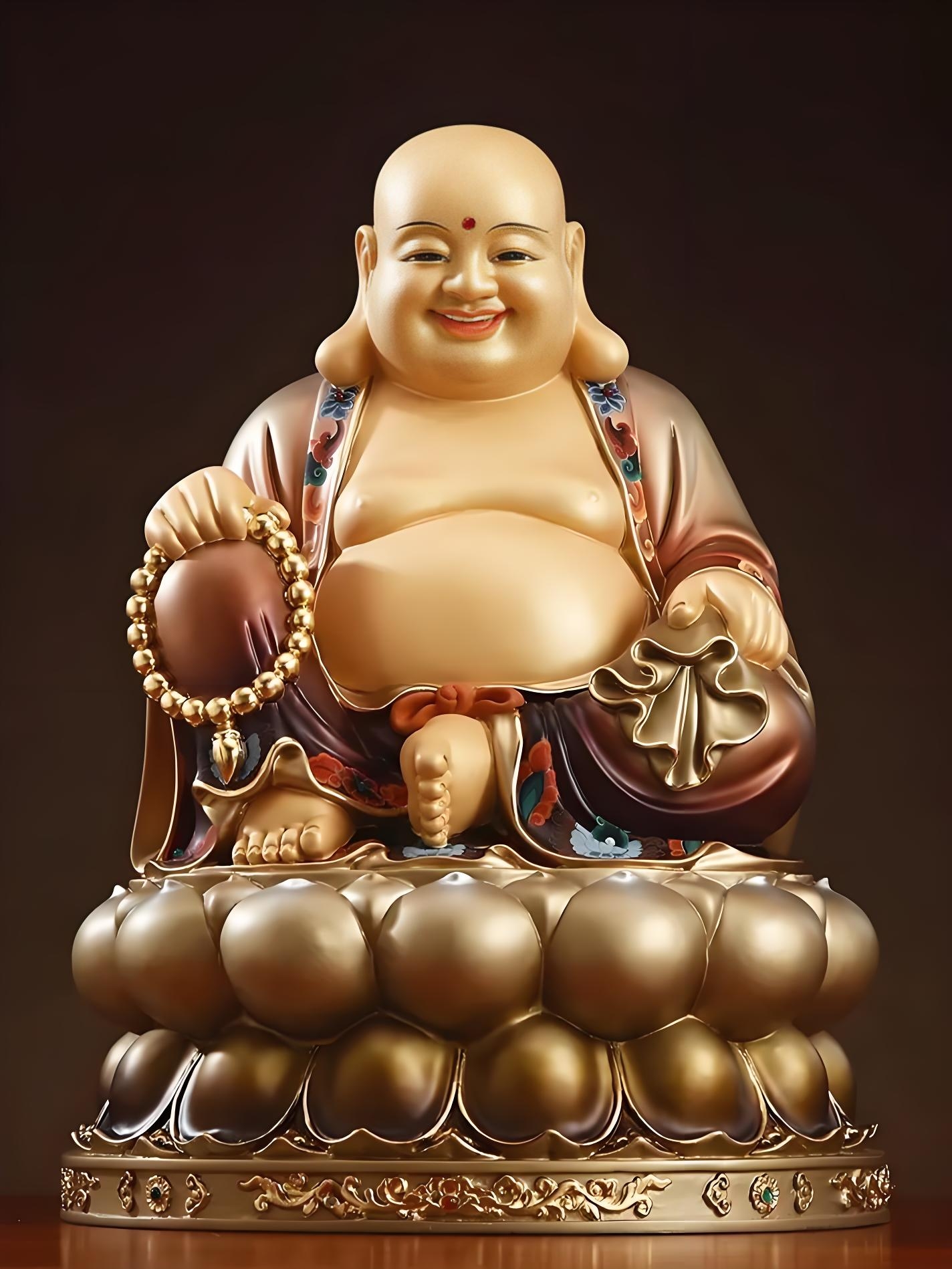
Moreover, the Dao system evolved over time. Taoist deities such as the Eight Immortals, Buddhist Bodhisattvas, and Confucian ancestral spirits were localized and adapted to different regions and communities. This adaptability enabled the Dao system to remain relevant and resilient amid political change and societal shifts.
In the modern era, the Dao system faces serious challenges. First and foremost, the modernization of education has often meant a break from traditional cultural literacy. In the pursuit of science, efficiency, and globalization, Chinese youth today are sometimes distanced from the spiritual and ethical roots of their own civilization.
Western influence, too, has led to misconceptions. Confucianism is sometimes viewed as overly rigid or patriarchal, Taoism as superstitious, and Buddhism as overly passive. These simplified views fail to appreciate the nuanced wisdom and societal value each school offers.
In addition, the rise of consumer culture and digital media has led to a surface-level commodification of tradition. Traditional aesthetics may be used as marketing tools, but without context or depth, this risks reducing cultural heritage to mere packaging.
Such trends not only erode cultural identity but also leave a moral vacuum. A society disconnected from its moral compass and collective memory is likely to experience confusion, division, and spiritual emptiness.
Preserving the Dao system is not about reviving a bygone past—it is about finding new ways to articulate timeless wisdom in today’s world. As China’s influence grows globally, the Dao system can serve as a powerful cultural export, promoting values of harmony, respect, and balance.
To achieve this, traditional ideas must be translated into modern language and practice. For instance, the concept of “Tianren He Yi” (harmony between humans and nature) aligns closely with global environmental concerns. “Zhongyong” (the Doctrine of the Mean) offers insights into mental health, diplomacy, and conflict resolution. These ideas can be conveyed through animation, literature, apps, or interactive experiences that engage younger or international audiences.
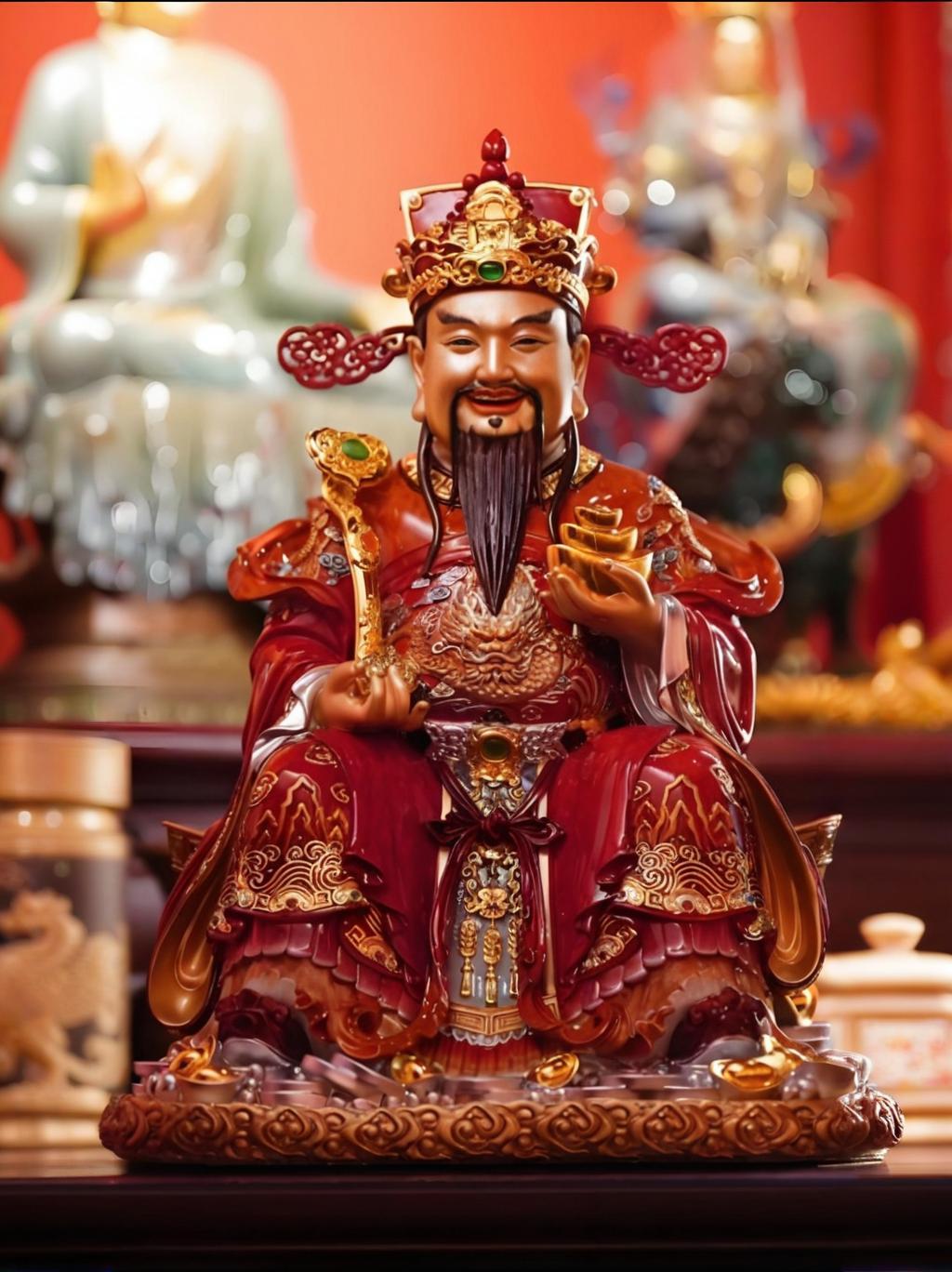
Cultural products also play a key role. Through cross-border e-commerce, businesses can sell handcrafted items, home decor, calligraphy works, and spiritual jewelry infused with Daoist or Confucian symbolism. These are not just products—they are cultural stories waiting to be discovered.
Furthermore, global audiences can better appreciate the Dao system when it is framed as a universal spiritual and ethical path, rather than just a “Chinese tradition.” From Confucius’s Golden Rule (“Do not do to others what you do not want done to yourself”) to Zhuangzi’s teachings on freedom and naturalness, the Dao system contains elements of shared human wisdom.
The Chinese Dao system is not a relic of the past. It is a living, evolving body of knowledge and practice that continues to offer answers to today’s challenges—whether in family ethics, environmental sustainability, or global peacebuilding.
To preserve it is to reaffirm who we are. To share it with the world is to invite others to walk this path of balance, reflection, and harmony. In a world facing growing anxiety and fragmentation, the Dao system stands as a quiet but profound beacon.
May each of us be both a guardian and a storyteller of this heritage, helping it to flourish not only in China but across cultures and generations worldwide.