




Ming Dynasty's “Living God on Land”: Zhang Sanfeng's Legendary Life and the Emperor's Dream of Seeki

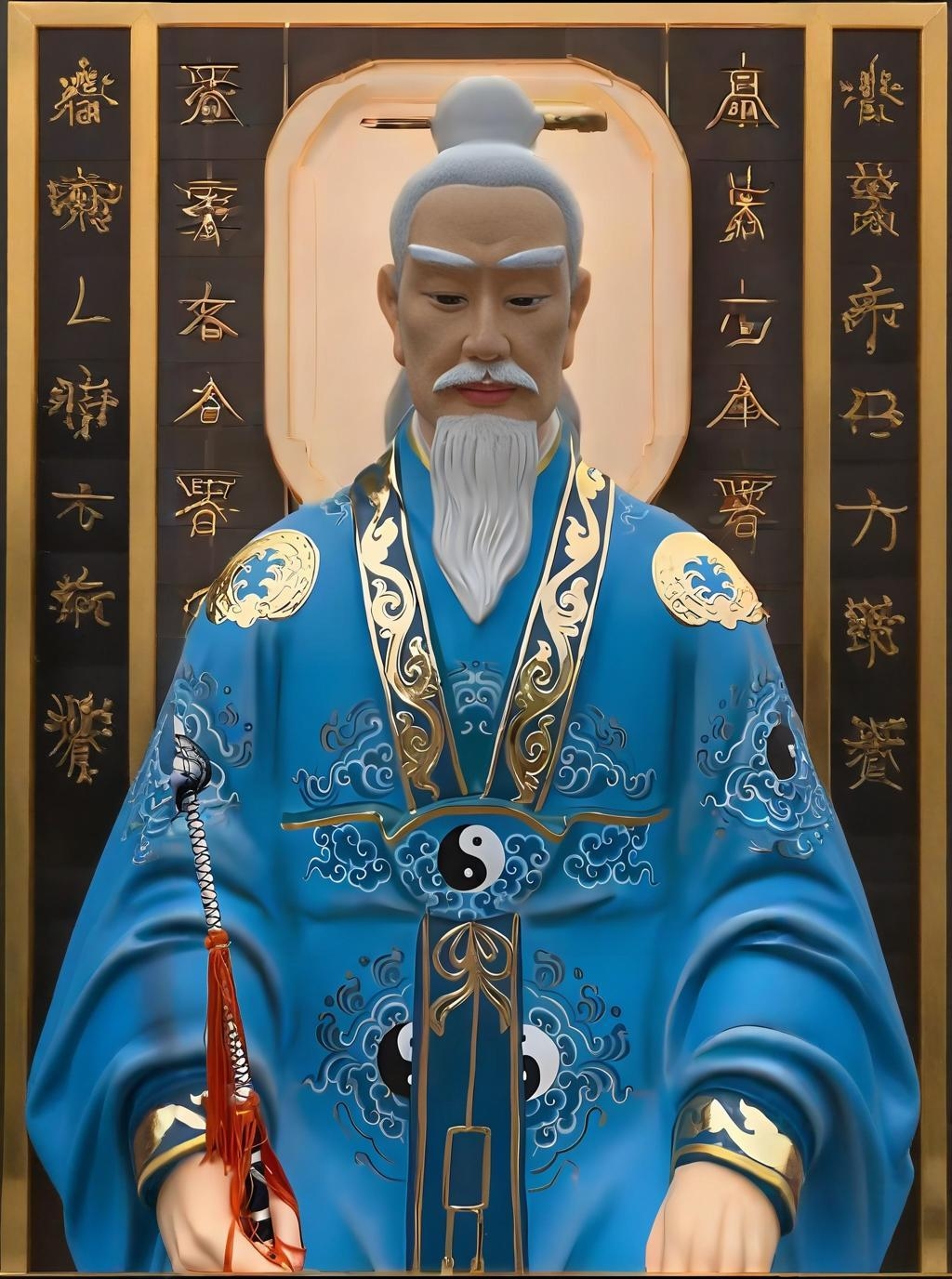
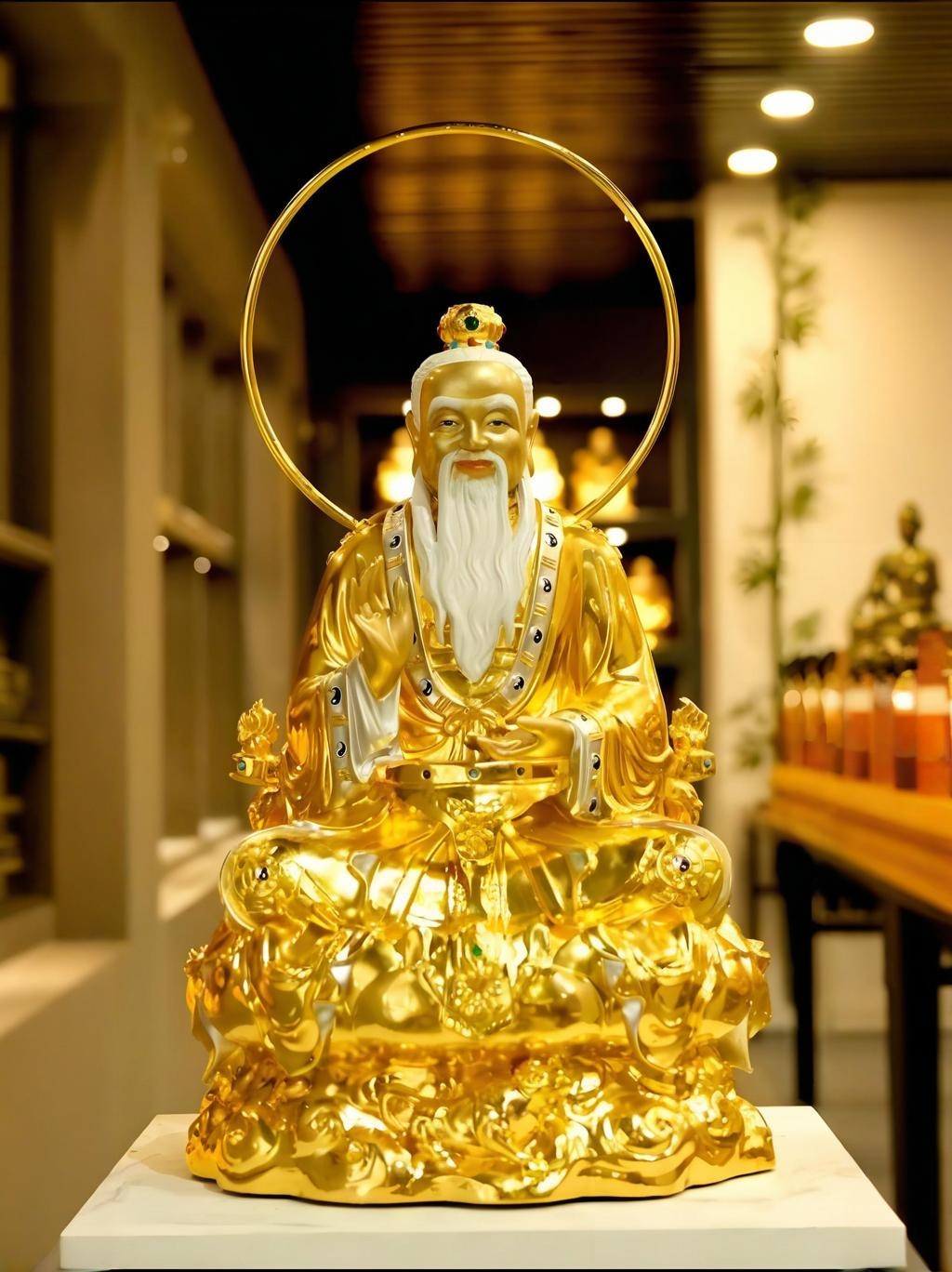
Throughout the long river of history, certain figures are shrouded in such mystery that their stories compel exploration. During the Ming Dynasty, one such figure revered as a "Living Immortal on Earth" was Zhang Sanfeng.
The Unseen Sage: Emperors' Quest
Zhu Yuanzhang (Hongwu Emperor) and Zhu Di (Yongle Emperor)—founder and consolidator of the Ming Dynasty respectively—stood at the pinnacle of power yet yearned to meet Zhang Sanfeng. Despite repeated attempts, fate denied them an audience. What made this elusive figure so captivating? Did he possess transcendent wisdom, secrets of immortality, strategies to secure empires, or a mystical aura that commanded imperial awe? Today, we unveil the legend of this "Living Immortal" and his enigmatic ties to Ming royalty.
I. Birth of a Legend
(1) Mystical Origins
In 1247, a child named Zhang Sanfeng was born to an ordinary family in Yizhou, Liaodong. Legend says his mother dreamt of a crane gracefully descending into her embrace before his conception. At his birth, purple clouds gathered from the east, lingering for three days—an auspicious sign that astounded neighbors.
At age five, Zhang suddenly went blind. Physicians failed to cure him until Daoist priest Yunyangzi of Biluo Temple, recognizing his extraordinary potential, used "Pure Yang Finger" to unblock his meridians. Miraculously, Zhang regained sight and awakened his "Innate Dao Body." From then on, he mastered Daoist texts and esoteric arts with supernatural ease.
(2) Youthful Heroism
At twelve, Zhang began his Daoist pilgrimage. By twenty, he was renowned across the martial world. Hearing of bandits terrorizing Zhongnan Mountain, he single-handedly stormed seven strongholds, rescuing hundreds. At twenty-five, he created the "Infinite Sword Art of Primordial Origin." Yet during the Huashan Swordsmanship Contest, he witnessed martial artists battling for fame and realized true mastery lay not in conquest but in preventing conflict. This epiphany deepened his commitment to peace through martial cultivation.
II. Founding Wudang: A New Legacy
(1) Divine Summons to Wudang
Amid the chaos of the late Yuan Dynasty, Zhang observed celestial signs one night: a tortoise and snake entwined in the northern sky—a portent directing him to Wudang Mountain. With nine disciples, he journeyed through hardship to its mist-shrouded peaks. There, he established a humble temple and designed the cosmic Purple Heaven Palace, aligning it with the Big Dipper to create a sacred Daoist sanctuary.
(2) Philosophy: "Martial Arts as Dao Cultivation"
Zhang pioneered the revolutionary concept of using martial arts to embody the Dao. Rejecting violence, he fused Daoist principles—wuwei (effortless action) and "softness overcoming hardness"—into his system. His art emphasized stillness controlling motion, yielding neutralizing force, and internal energy cultivation over external dominance. This philosophy transformed Chinese martial culture, elevating Wudang to rival Shaolin and spreading globally as a holistic discipline integrating philosophy, medicine, and wellness.
III. Emperors’ Vain Pursuits
(1) Hongwu Emperor’s Three Attempts
Craving immortality, Zhu Yuanzhang dispatched imperial guards to find Zhang.
-
First attempt: Guards tracked Zhang to Wudang, only to watch him vanish using "Cloud Ladder Ascension" lightness skill, leaving footprints on snow.
-
Second attempt: A meticulously laid trap failed; Zhang slipped away undetected.
-
Third attempt: At Wudang’s Golden Summit, guards found Zhang’s cryptic prophecy—"Sun and Moon Share the Sky" (日月当空)—later interpreted as foreshadowing Empress Wu Zetian’s reign.
(2) Yongle Emperor’s Obsession
Zhu Di mobilized 300,000 laborers to build Wudang’s grand palaces, hoping to lure Zhang. One night, Zhang infiltrated the Forbidden City and carved the Heart Sutra of Taiji onto a beam in the Hall of Diligent Cultivation. By dawn, he had "ridden a crane southward," leaving behind the maxim: "Governing a kingdom is like Taiji—balance firmness and softness to endure." Though unverified, legends claim Zhang inspired the Yongle Encyclopedia.
IV. Myths of the Immortal
(1) Surviving Seven Calamities
-
Fire Tribulation (Wuyi Mountain): Trapped in a volcanic cave for three days, Zhang emerged unscathed, his robes untouched by flames.
-
Water Tribulation (Poyang Lake): He battled a flood dragon during a storm, rescuing hundreds from drowning.
-
Lightning Tribulation (Kunlun Peak, age 140): After weathering nine heavenly bolts, his white hair turned black—a symbol of rejuvenation.
He also survived floods, earthquakes, plagues, and wars, each time shielding communities from disaster.
(2) Timeless Apparitions
-
Wanli Era (Ming): Scholars encountered him on misty Mount Huangshan, where he discoursed on philosophy and composed poetry before vanishing.
-
Qianlong Era (Qing): Farmer Li Fu met him by a field, receiving health advice before he disappeared.
These tales fueled beliefs that Zhang lived 500 years.
V. Eternal Legacy
(1) Martial Arts Revolution
Zhang’s Taijiquan, now a UNESCO Intangible Cultural Heritage, revolutionized global wellness. Its flowing movements—practiced in parks worldwide—unite body, mind, and spirit, embodying Daoist harmony.
(2) Cultural Archetype
-
Daoism: As Wudang’s patriarch, his teachings on nature-alignment and three-religion unity (Daoism, Buddhism, Confucianism) shaped spiritual practice.
-
Literature/Folklore: Portrayed as a sage of justice in wuxia novels (e.g., Jin Yong’s works) and films, his legends of immortality and magic endure in oral tradition.
Zhang transcends history as an icon of wisdom, resilience, and the quest for balance—a beacon of Chinese cultural identity.
Epilogue: Reflections on a Myth
Zhang Sanfeng’s journey—from a blind child to an immortalized master—reflects humanity’s yearning for transcendence. His myth arose from genius and collective hope: in turbulent times, people sought a savior with miraculous powers. Yet beyond legend, his true legacy lies in Taijiquan’s global embrace and Daoism’s enduring wisdom. He remains a testament to cultural synthesis, reminding us that true mastery balances strength with serenity, action with contemplation. Though centuries have passed, his spirit endures—in every Taiji movement, every mountain mist at Wudang, and every heart seeking harmony in a fractured world.


