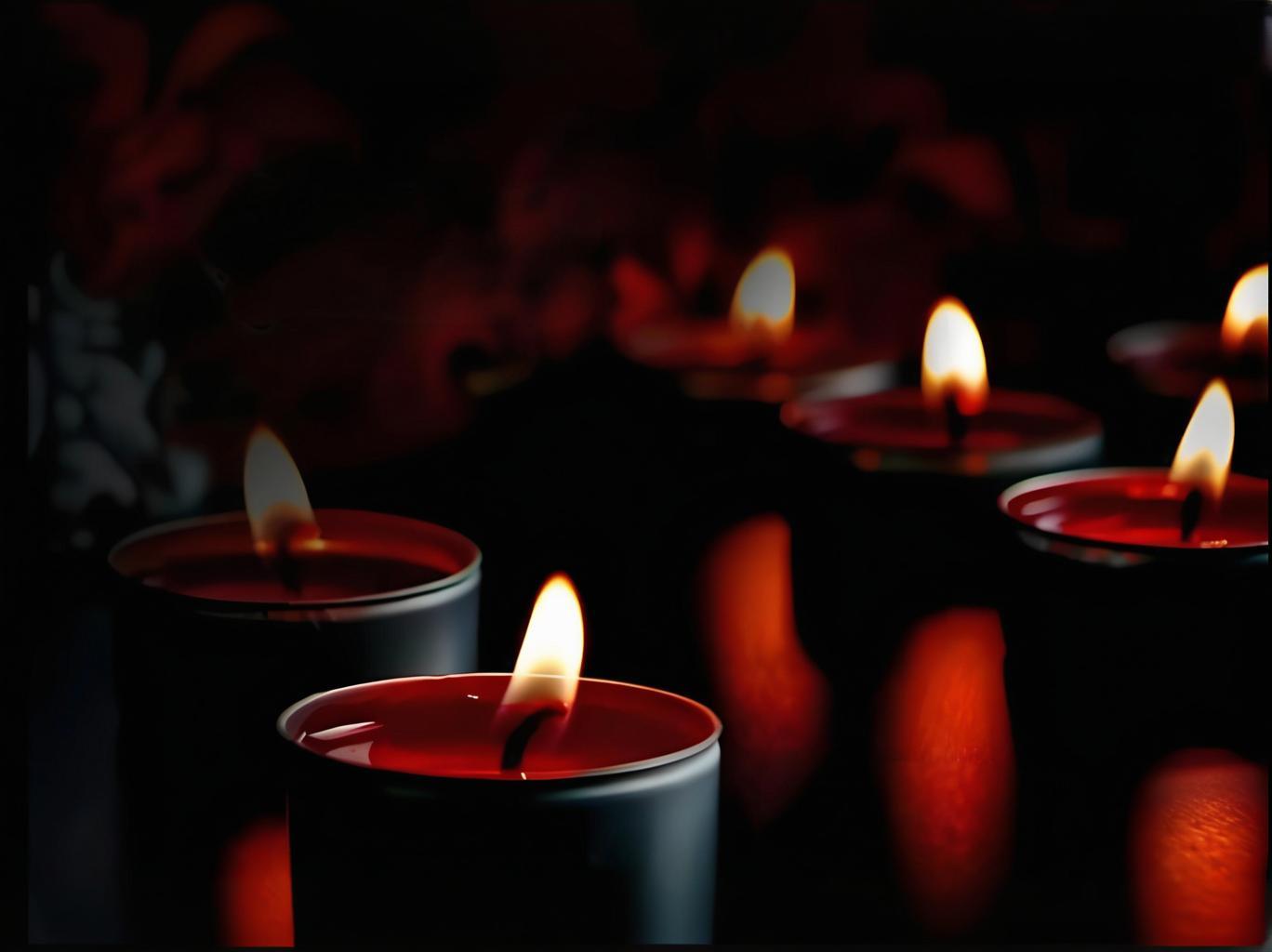
In the heart of Chinese civilization, ancestor worship is an expression of respect, gratitude, and identity. It represents:
Filial piety (孝, xiào) – honoring the source of one’s life
Family lineage – maintaining connection to one's roots and bloodline
Harmony with nature – aligning rituals with seasons and cosmological order
It is both a spiritual ceremony and a cultural mechanism that unites generations through shared memory.
Since the Shang and Zhou Dynasties, ancestor worship has taken many forms:
State rituals: Emperors performed elaborate ceremonies in ancestral temples
Confucian lineage: Prominent families maintained private ancestral halls
Folk traditions: Ordinary people honored ancestors during the Lunar New Year, Qingming Festival, and Winter Solstice
Overseas Chinese: Diaspora communities continue to preserve ancestral rites in Southeast Asia, North America, and beyond
While the form may change, the core spirit of reverence remains unchanged.
Ancestor worship has been a key vehicle for transmitting culture and values:
Historical continuity: Family genealogies, ancestral tablets, and clan rules pass down heritage
Moral cultivation: Virtues such as benevolence, righteousness, and propriety are reinforced through ritual
Cultural identity: In a globalized world, it anchors one’s sense of origin and belonging
It’s not just remembrance — it’s civilizational memory.
Today, young generations are rediscovering ancestor worship in new ways:
Rebuilding ancestral halls and restoring gravesites
Wearing Hanfu (traditional dress) during ceremonies
Using digital tools: livestreaming rituals, recording oral family history
Diaspora families reconnecting with ancestral villages and tomb-sweeping traditions
It shows that tradition isn’t fading — it’s evolving.
What has kept Chinese civilization alive for over 5,000 years? One answer lies in the unbroken respect for our ancestors.
To know where we are going, we must know where we come from.
In remembering them, we remember who we are.
Through ancestor worship, we reconnect not only with the past — but also with the spiritual strength to move forward.